Top 5 Japanese Guitar Brands You Can Buy Directly from Japan
There’s something special about Japanese guitars. Musicians all over the world praise them for their reliability, attention to detail, and unique character. Whether it’s a vintage Made in Japan Fender Stratocaster, a fiery Ibanez shred machine, or a rare Tokai Love Rock that rivals a Gibson, Japan has built a reputation for guitars that punch far above their price.
The challenge? Many of these instruments are sold only within Japan, often through local auctions, secondhand shops, or specialty music stores. That’s where Remambo comes in. As your trusted proxy shopping service, we make it easy to browse, buy, and ship Japanese guitars straight to your door.
In this article, we’ll take a closer look at the top five Japanese guitar brands every player and collector should know.
Fender Japan
In the early 1980s, Fender outsourced production to Japanese factories such as Fujigen and Dyna Gakki. The result? Some of the finest “Made in Japan” Stratocasters, Telecasters, and Jazzmasters ever built.
Why they’re special:
- Faithful recreations of 1950s–60s Fender designs.
- Exceptional build quality and attention to detail.
- More affordable than their American counterparts, yet highly respected for tone.
Collectors often call this the “golden age” of Fender Japan. Today, MIJ models from the 1980s and 1990s are highly sought after worldwide, but the best deals are usually found in Japan itself.
Read also: Your guide on buying from Yahoo Auctions.
Ibanez (Hoshino Gakki)
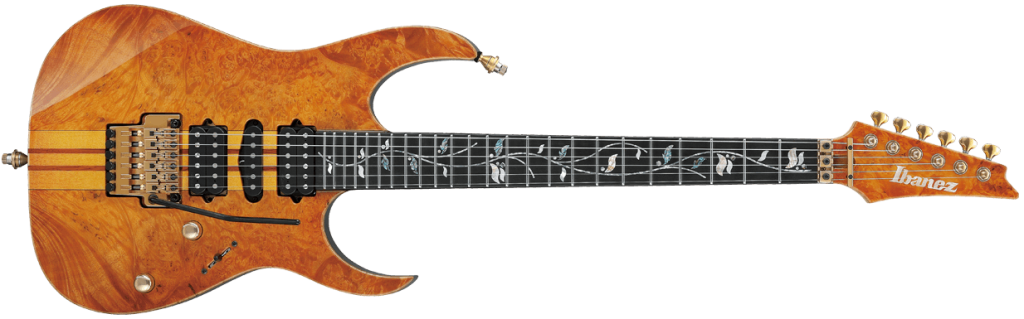
Few brands have pushed innovation as boldly as Ibanez. Known for their fast necks, ergonomic bodies, and signature artist models, Ibanez guitars have become staples for rock and metal players.
Highlights:
- Iconic models like the RG, S-Series, Artist, and JEM (designed with Steve Vai).
- Japanese-made Prestige and limited runs feature superior finishes and hardware.
- Vintage Ibanez from the late ’80s and ’90s is especially prized.
While Ibanez is sold worldwide, many unique finishes and domestic-only models are available exclusively in Japan – making Remambo the perfect way to secure them.
Read also: Remambo Mercari guide.
Yamaha
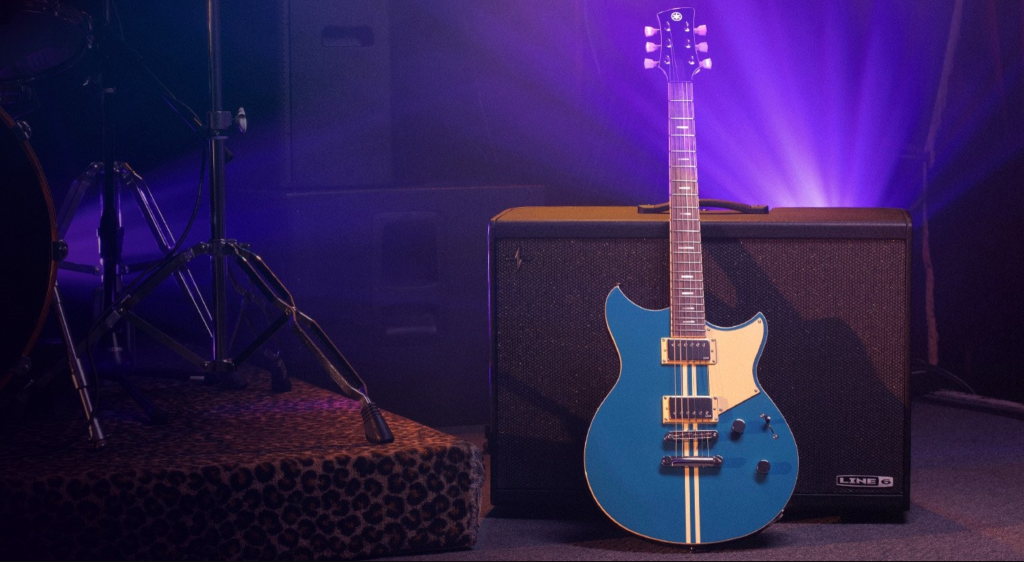
Yamaha is a household name in music, and their guitars are no exception. From beginner-friendly electrics to high-end acoustics, Yamaha blends accessibility with craftsmanship.
Notable series:
- Pacifica – versatile and affordable, perfect for beginners.
- Revstar – stylish designs inspired by Tokyo’s café racer culture.
- FG/LL acoustics – respected by professional players.
- Silent Guitar – an innovative Japanese invention for quiet practice and recording.
Yamaha’s range covers every level, and their consistency makes them a trusted brand worldwide.
Read also: How to buy from Rakuten.
Tokai
Often called the “Japanese Gibson,” Tokai built a reputation in the 1970s and ’80s for making some of the most accurate Les Paul and SG replicas on the market.
Why players love Tokai:
- Stunning craftsmanship and authentic Gibson-style tones.
- Vintage Love Rock models from the late ’70s and early ’80s are collector favorites.
- Still more affordable than U.S. Gibsons, yet comparable in sound quality.
Finding an original Tokai outside Japan can be difficult, which makes Japanese auctions the prime hunting ground.
Greco
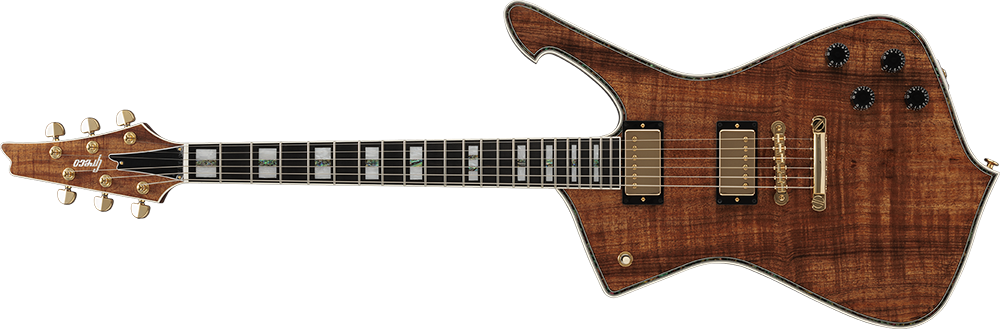
Greco is another legendary name from the “lawsuit era,” producing Fender and Gibson-style guitars that rivaled (and sometimes outperformed) the originals.
Reasons to consider Greco:
- Built in the same factories as Fender Japan during the 1970s and ’80s.
- Excellent wood selection and craftsmanship.
- Vintage Greco models remain affordable compared to Tokai or MIJ Fender.
Greco guitars are hidden gems: loved by collectors, yet still attainable if you know where to look.
Where to Buy Japanese Guitars
Japan has a thriving secondhand market for guitars, and these are the most popular places to find them:
- Yahoo! Auctions Japan – the biggest auction site, full of vintage Fender MIJ, Tokai, and Greco.
- Mercari Japan – a marketplace with plenty of Ibanez, Yamaha, and budget-friendly finds.
- Rakuten – Japan’s answer to Amazon, with a wide range of new instruments.
- Hard Off – secondhand chain stores, famous for hidden treasures.
Through Remambo, you can shop from all of these platforms.
How to Buy a Guitar from Japan with Remambo

If you’re searching for authentic Japanese guitars, Remambo is the ultimate tool to access Japan’s music market from anywhere in the world.
Remambo is your reliable shopping proxy, specifically tailored for purchasing from Japanese online stores and auctions. With Remambo, you gain seamless access to exclusive instruments, simplified purchasing, easy payment options, and secure international shipping. It’s the easiest way to shop for vintage and limited-edition Japanese guitars without language barriers or complicated processes.
FAQ
Why are Japanese guitars often cheaper?
Because of Japan’s strong secondhand market and culture of careful instrument care, high-quality guitars are often sold in excellent condition at lower prices.
What’s the difference between MIJ and CIJ?
MIJ (Made in Japan) refers to models from the 1980s–1990s. CIJ (Crafted in Japan) appeared later, with equally impressive build quality.
Conclusion
Japanese guitars aren’t just instruments, they’re stories waiting to be played. From the vintage charm of a Fender Japan to the raw power of an Ibanez, the timeless appeal of a Tokai, or the hidden gems from Greco, each brand offers something unique for players and collectors alike.
The best part? You don’t have to book a flight to Tokyo to find them. With Remambo, you can explore Japan’s music shops, auctions, and marketplaces from wherever you are. Whether you’re hunting for your first MIJ Strat or adding another classic to your collection, Remambo makes the process safe, simple, and surprisingly fun.
So if your next dream guitar is hiding in Japan – why not let Remambo bring it home to you?
All images featured in this article are the property of their respective copyright holders.