The Ultimate Guide to the Japanese Kyusu Teapot
Introduction
At Remambo, we help customers around the world get access to unique Japanese products that often aren’t sold overseas. One of the most admired among collectors and tea lovers is the Japanese kyusu teapot. Compact, beautifully balanced, and often handmade, kyusu are more than tools, they are living pieces of Japanese tradition. In this guide, we’ll walk you through the different types of kyusu, their regional origins, and the best ways to buy authentic ones directly from Japan using our proxy service.
What Makes the Japanese Kyusu Teapot Special
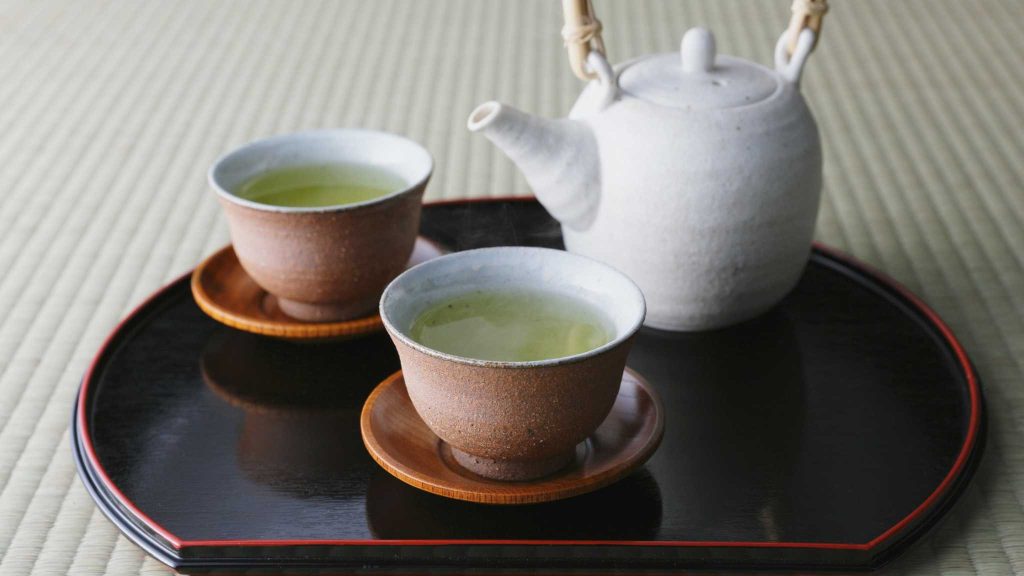
The Japanese kyusu teapot is instantly recognizable by its compact shape and distinctive handle design. The classic side-handle style allows effortless one-handed pouring, while the tight lid and precise spout ensure a clean stream. Each kyusu reflects the heritage of its kiln and the artistry of its maker, making it both a functional tool and a piece of cultural craft.
Main Types of Kyusu
Yokode kyusu (side handle)
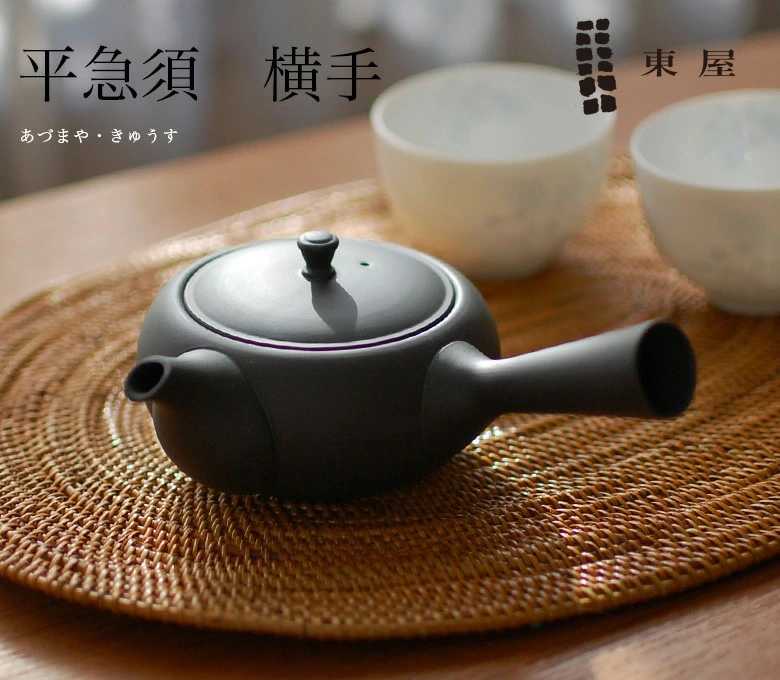
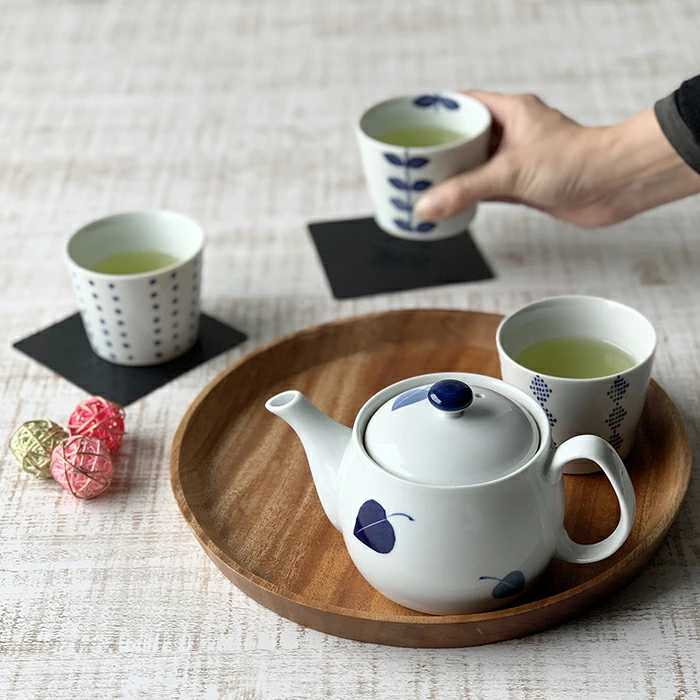
This is the most iconic form and the one most people picture when they hear “Japanese kyusu teapot.” The side handle makes pouring smooth and efficient, especially when serving multiple small cups of green tea. Because it feels so natural in the hand, the yokode kyusu is the most popular style both in Japan and abroad.
Ushirode kyusu (rear handle)
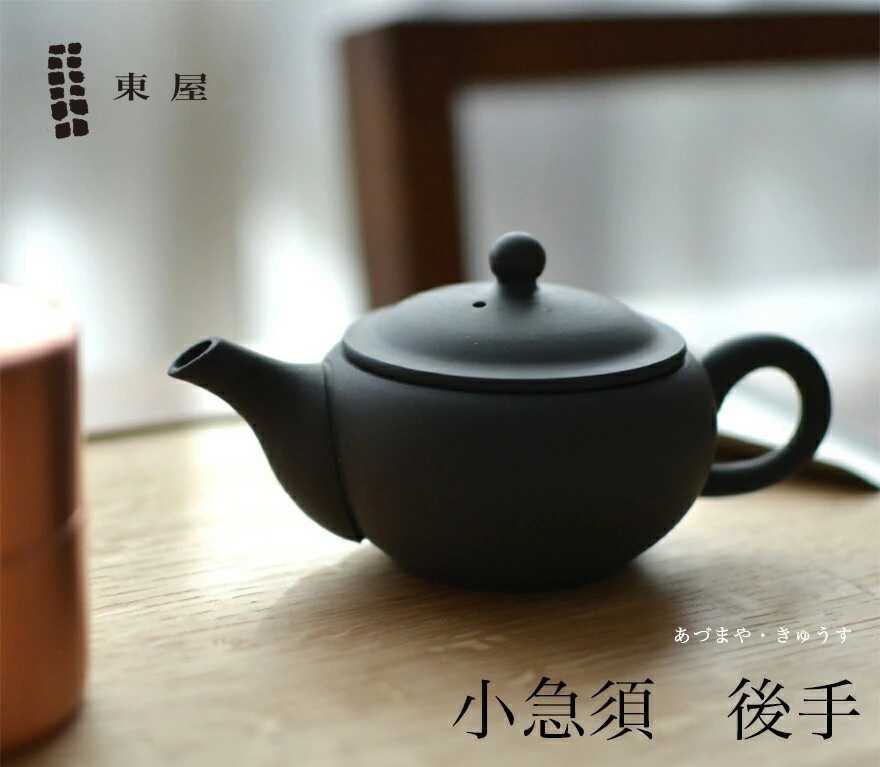
Similar to Western-style teapots but smaller and more refined. The rear handle makes it intuitive for those unfamiliar with Japanese teaware, while still carrying the same quality craftsmanship. Collectors often keep one of these in their rotation because of the comfortable, familiar feel.
Uwade kyusu (top handle)
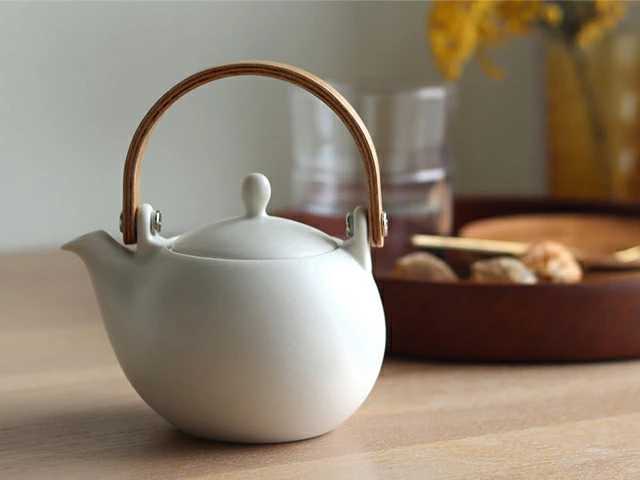
Recognizable by the overhead handle, the uwade kyusu resembles a kettle and is often used for larger servings. These are practical for family settings or when tea is shared at the table. Decorative uwade kyusu, especially porcelain versions, are also popular as gifts.
Each type brings its own experience, and many collectors enjoy owning several, choosing different styles depending on the occasion.
Materials and Design Details
- Clay: porous, absorbs subtle flavors, making tea smoother over time.
- Porcelain: neutral, doesn’t retain aromas, perfect if you brew many kinds of tea.
- Glass & modern blends: often contemporary designs, more visual but less traditional.
- Strainers: stainless mesh for convenience, or clay sasame filters for a softer, traditional pour.
Collectors often inspect the lid fit, spout sharpness, and handle balance – these small details define a great kyusu.
Famous Kilns and Regional Styles
Tokoname-yaki (Aichi Prefecture) – Birthplace of the kyusu tradition, known for smooth spouts, tight lids, and red/black clay.
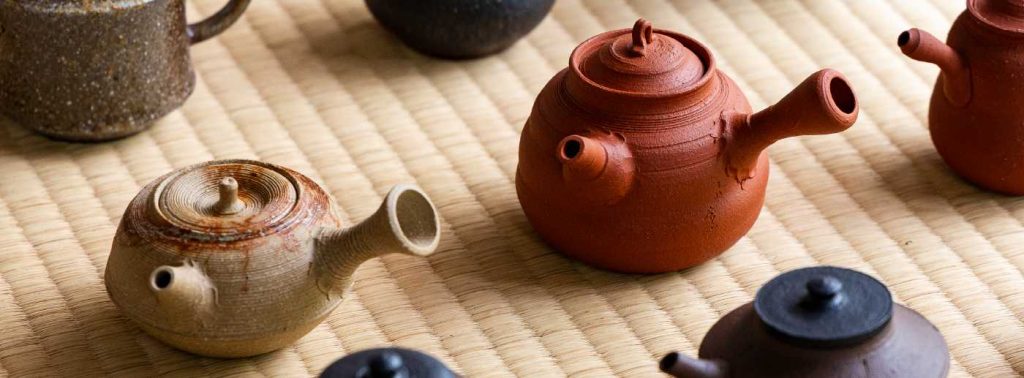
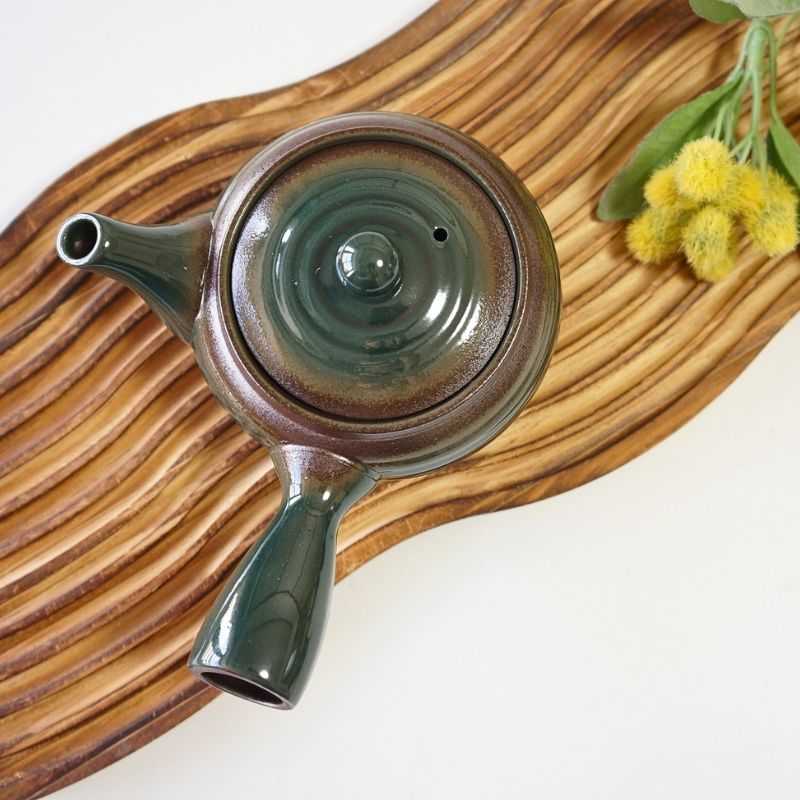
Banko-yaki (Mie Prefecture) – Distinct purple clay (shidei), loved for durability and subtle earthy flavor.
Hasami-yaki (Nagasaki Prefecture) – Elegant porcelain kyusu, often painted, ideal for display or lighter teas.
Where to Buy a Japanese Kyusu Teapot
Rakuten Japan
Rakuten is one of Japan’s largest online marketplaces and a true treasure trove for tea lovers. By searching for terms like 急須, 常滑焼 急須 (Tokoname kyusu), or 萬古焼 急須 (Banko kyusu), you’ll find thousands of options ranging from affordable everyday pots to artisan-signed collectibles. Many small pottery workshops list their items here, so it’s one of the best places to discover authentic kyusu that never appear outside Japan. With Remambo, you can easily buy from any Rakuten seller and have the items shipped securely to your door.
Read also: How to buy from Rakuten
Yahoo! Shopping Japan
Another massive Japanese marketplace, Yahoo! Shopping features a wide range of Japanese kyusu teapots, often with seasonal promotions and exclusive designs. Some artisans and regional specialty shops sell directly here, so it’s an excellent platform to compare prices and styles.
Amazon Japan
Amazon Japan has become a convenient place to browse for Japanese kyusu teapots, especially for popular Tokoname and Banko styles. Unlike the international Amazon sites, the Japanese version offers local brands and artisan pieces that rarely make it abroad. Product pages often include detailed photos, customer reviews in Japanese, and multiple variations of the same design.
Read also: How to order from Amazon Japan
How to Buy from Japan with Remambo
We’ve already helped thousands of people purchase amazing products from Japan, and we can do the same for you. From a Japanese kyusu teapot to countless other items, Remambo makes it simple to shop directly from Japanese stores.
To make it even easier, we’ve prepared a step-by-step tutorial on how to use our service. With it, you’ll see just how quickly you can order authentic goods from Japan and have them delivered securely to your home.

Why Collectors Value Kyusu
The allure of a Japanese kyusu teapot lies in the craftsmanship. A perfectly balanced handle, a clean spout that never drips, and the discreet mark of the artisan – these are the details enthusiasts fall in love with. For our Remambo customers, a kyusu is not just a teapot. It’s a way to bring authentic Japanese artistry into everyday life.
FAQ
Are kyusu only for green tea?
Traditionally yes, but porcelain kyusu can be used for other teas.
Which kiln is best?
Tokoname for refinement, Banko for resilience, Hasami for porcelain elegance.
Do kyusu make good gifts?
Absolutely – compact, practical, and deeply tied to Japanese culture.
Closing Thought
Through Remambo, you can access authentic Japanese kyusu teapots that most shops in Japan don’t ship internationally. Whether you’re looking for an affordable Tokoname daily-use pot or a rare artisan collectible, kyusu offer a unique connection to Japanese heritage, and with our service, that tradition can reach your home wherever you are.
All images featured in this article are the property of their respective copyright holders.